Property Conveyancing in Victoria
What Is Conveyancing and What Does a Conveyancer Do?
Conveyancing is an essential part of buying, selling or transferring property. It protects your legal rights, manages important documents and deadlines, and ensures ownership is transferred correctly from one party to another.
What Is Conveyancing?
Conveyancing is the legal and administrative process of transferring property ownership from a seller to a buyer. It ensures the transaction is legally binding, safeguards your rights and manages every stage of the transfer — from reviewing the Contract of Sale through to settlement day.
According to Consumer Affairs Victoria , conveyancing is the transfer of ownership of a property from a seller to a buyer and is usually handled by a licensed conveyancer or legal practitioner.
In Victoria, conveyancing may include reviewing the Contract of Sale, checking the Section 32 Vendor Statement, conducting title and property searches, preparing legal documents, coordinating settlement and registering ownership with the relevant land registry.
Why Is Conveyancing Important?
According to RACV , conveyancing helps buyers understand exactly what they are purchasing and identify potential risks before committing to a property transaction.
- Clean Title: Confirms the seller has legal ownership and identifies hidden debts, easements, covenants or restrictions.
- Legal Compliance: Ensures disclosure obligations, statutory requirements and settlement procedures are completed correctly.
- Risk Reduction: Helps uncover issues before they become expensive problems.
- Protection: Safeguards your rights during one of the biggest financial transactions you may ever make.
Key Steps in Conveyancing
As outlined by realestate.com.au , conveyancing generally involves key stages before contract, before completion and after completion.
- Contract Review: Reviewing the Contract of Sale and Section 32 Statement before signing.
- Property Searches: Checking title details, council records, planning information and other property records.
- Contract Exchange: Managing legal obligations once the contract becomes binding.
- Settlement: Coordinating funds, documents and the official transfer of ownership.
What Does a Conveyancer Do?
A conveyancer is a licensed professional who manages the legal, financial and administrative steps involved in transferring property ownership. Their role is to protect your interests, explain your obligations and ensure the transaction progresses smoothly from contract review to settlement.
A conveyancer acts as the key point of contact between buyers, sellers, banks, mortgage brokers, real estate agents, government authorities and the other party’s legal representative.
As highlighted by realestate.com.au , settlement is a complex process where important legal and financial steps must be completed correctly. Missing key requirements can delay settlement or create costly issues during the property transfer process.
The Conveyancer’s Role in Your Property Journey
Your conveyancer supports you at every important stage of the property transaction.
Before You Sign
Before you commit to a property, your conveyancer reviews the legal documents and identifies potential risks. For auction purchases in Victoria, obtaining advice before bidding is particularly important because auction contracts are generally unconditional and do not include a cooling-off period, as explained in RACV’s conveyancing guide .
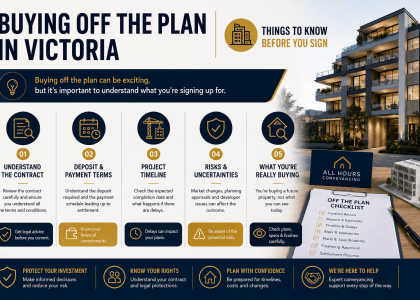
- Contract of Sale review
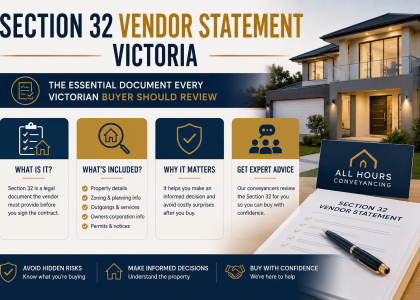
- Section 32 Vendor Statement review
- Special condition advice
- Auction contract review
- Identification of easements, covenants, zoning issues or title risks
After the Contract Is Signed
Once the contract becomes legally binding, your conveyancer manages searches, deadlines and communication between all parties.
- Title and property searches
- Planning and zoning checks
- Liaising with lenders and mortgage brokers
- Monitoring finance and settlement deadlines
- Communicating with the other party’s conveyancer or solicitor
Preparing for Settlement
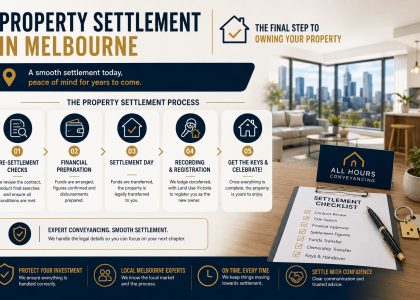
As settlement approaches, your conveyancer prepares the required documents, checks figures and coordinates with banks.
- Transfer of Land documentation
- Mortgage and discharge coordination
- Council, water and owners corporation adjustments
- Settlement statement review
- Final checks with banks and representatives
Settlement Day
Settlement is the final stage of the conveyancing process. Your conveyancer completes the transfer of funds and ownership, then helps ensure ownership registration is completed through the relevant Victorian land registry.
- Electronic settlement coordination through PEXA
- Transfer of funds between parties
- Lodgement of transfer documents
- Registration with Land Use Victoria
- Confirmation once settlement is complete
Who Performs Conveyancing?
Conveyancing can be completed by a licensed conveyancer or solicitor. While DIY conveyancing is technically possible, it is generally not recommended unless you have strong knowledge of property law.
realestate.com.au notes that conveyancing professionals have indemnity insurance coverage, which can provide important protection if something goes wrong during settlement.
When Should You Engage a Conveyancer?
The best time to engage a conveyancer is before you sign a contract. Early advice can help you understand your obligations, negotiate better conditions and avoid costly surprises.
This is especially important for auction purchases in Victoria, where contracts are generally unconditional once the property is sold.
Conveyancer vs Solicitor
Both licensed conveyancers and solicitors can assist with property transactions in Victoria. A conveyancer specialises in property transfers and is a practical option for most standard residential purchases, sales and transfers. A solicitor may be more suitable where broader legal advice is needed, such as complex disputes, commercial transactions or unusual ownership structures.
Need Help with a Property Matter?
Contact All Hours Conveyancing for professional conveyancing services across Melbourne and Victoria.
Request a Conveyancing Quote
Suggested SEO title: What Is Conveyancing and What Does a Conveyancer Do? | All Hours Conveyancing
Suggested meta description: Learn what conveyancing is, what a conveyancer does, why conveyancing is important, and how the property transfer process works in Victoria.