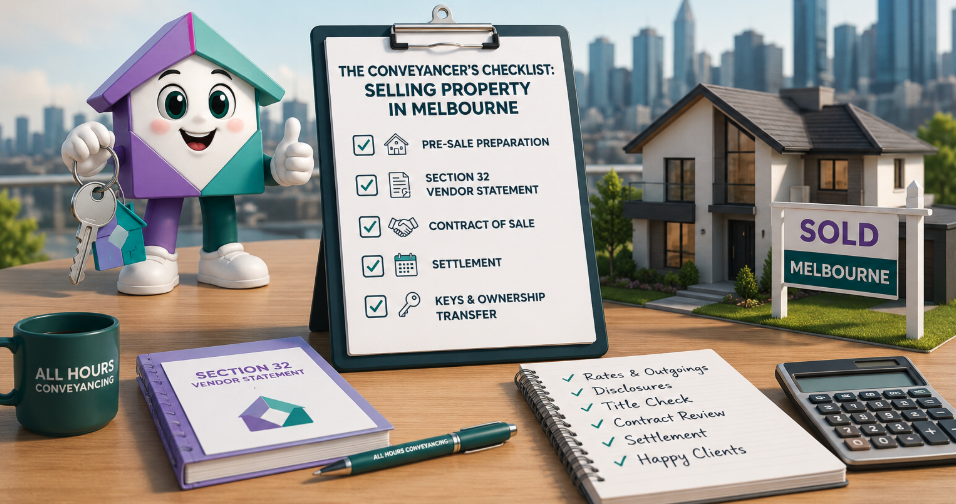
Selling Property in Melbourne
The Conveyancer’s Checklist: Selling Property in Melbourne
Selling a property in Melbourne involves more than finding a buyer and signing a contract. This conveyancer’s checklist helps sellers prepare legal documents, meet Victorian disclosure obligations, avoid delays and move towards a successful settlement.
Why You Need a Conveyancer When Selling Property in Melbourne
A conveyancer manages the legal transfer of property ownership from seller to buyer. For sellers, this includes preparing sale documents, reviewing title information, coordinating settlement and ensuring key legal obligations are addressed before the property is sold.
The Victorian Government’s Consumer Affairs Victoria selling property portal outlines the key stages of selling property in Victoria, including preparing to sell, choosing a sales method, contracts, conveyancing and settlement.
Engaging a conveyancer early can help identify title issues, disclosure requirements and documentation gaps before they cause delays during the sale process.
What Your Conveyancer Helps With
- Preparing the Section 32 Vendor Statement
- Reviewing and preparing the Contract of Sale
- Checking title details, easements and covenants
- Coordinating mortgage discharge with your lender
- Managing settlement adjustments and final figures
- Communicating with the buyer’s conveyancer or solicitor
Selling Costs to Plan For
Selling costs vary depending on the property, agent, marketing campaign and complexity of the transaction. Common costs may include:
- Real estate agent commission
- Marketing and advertising
- Professional photography and floorplans
- Conveyancing fees
- Mortgage discharge fees
- Owners Corporation certificates, if applicable
Pre-Sale Checklist: Before Listing Your Property
The strongest property sales usually begin before the property is listed. Preparing early gives your conveyancer time to obtain documents, check title details and resolve potential issues before buyers begin making enquiries.
Consumer Affairs Victoria’s selling property checklist recommends researching property value, speaking with estate agents, choosing an independent legal representative to prepare the Section 32 Vendor Statement and discussing contract terms before accepting an offer.
The Seller’s Conveyancing Checklist
Use this checklist to understand what your conveyancer may help manage from pre-sale preparation through to settlement day.
Engage a Conveyancer Early
One of the most common mistakes sellers make is waiting until a buyer is found before contacting a conveyancer. Early advice helps prevent avoidable delays.
- Prepare sale documents in advance
- Identify title issues early
- Address council or planning concerns
- Obtain required certificates
Review the Property Title
Your conveyancer will review the property title to identify anything that may affect the sale or future use of the land.
- Ownership details
- Easements and covenants
- Restrictions on the land
- Caveats or encumbrances
Gather Property Information
Preparing key property information early helps your conveyancer respond to buyer enquiries and complete sale documents accurately.
- Building permits
- Renovations and extensions
- Owner-builder works
- Compliance certificates
- Owners Corporation information
Check Rates, Charges and Outgoings
Outstanding rates, taxes or fees may need to be adjusted or paid at settlement.
- Council rates
- Water rates
- Land tax, where applicable
- Owners Corporation fees
Do Not Conceal Material Facts
When preparing to sell, sellers must be careful not to conceal important information about the property. According to Consumer Affairs Victoria’s guidance on preparing to sell property , knowingly concealing a material fact from a potential buyer when selling land is against the law.
A material fact is information that may influence a buyer’s decision to purchase the property or the price they are willing to pay. This is why accurate disclosure and early conveyancing advice are so important.
Preparing the Section 32 Vendor Statement
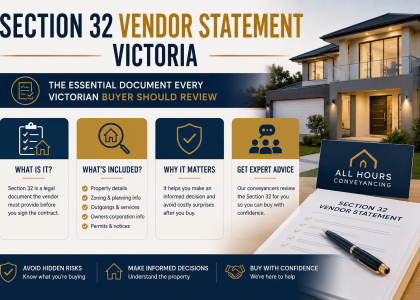
A Section 32 Vendor Statement is a key legal document in Victorian property sales. It must be provided to a prospective purchaser before they sign the Contract of Sale.
Your conveyancer will prepare or review the Section 32 to ensure required property information is disclosed, including title details, planning information, outgoings, easements, covenants and other matters affecting the property.
For a more detailed explanation, read our guide: Section 32 Vendor Statement Victoria: What Sellers Need to Know .
Contract of Sale Checklist
Before the property is listed or before an offer is accepted, your Contract of Sale should be reviewed carefully.
- Deposit amount
- Settlement date
- Special conditions
- Fixtures and fittings
- Items excluded from the sale
- Any negotiated terms
Choosing a Sales Method
Melbourne properties are commonly sold by auction or private sale. Each method has different legal and practical considerations.
- Auction: Often used in competitive markets and usually involves an unconditional sale.
- Private Sale: Allows more flexibility with price, conditions and negotiations.
Once an Offer Is Accepted
After a buyer signs, the focus shifts to contract accuracy, lender requirements and settlement preparation.
Sign the Contract Correctly
Errors in signing can create legal complications, so all details should be checked before the contract is finalised.
- All sellers sign
- Names match title records
- Amendments are initialled
- Required witnesses are present where necessary
Notify Your Mortgage Lender
If your property has a mortgage, your lender must prepare discharge documentation before settlement.
- Contact the lender
- Arrange discharge figures
- Coordinate payout requirements
- Allow enough time before settlement
Respond Promptly During Settlement
The buyer’s legal representative may request further information or clarification during the settlement period.
- Additional documentation
- Clarification regarding disclosures
- Access arrangements
- Updated certificates where needed
Maintain the Property Until Settlement
The property should remain substantially in the same condition as when it was sold.
- Lawn care
- Repairs and maintenance
- Cleaning
- Fixtures remaining in working order
Settlement Day Checklist
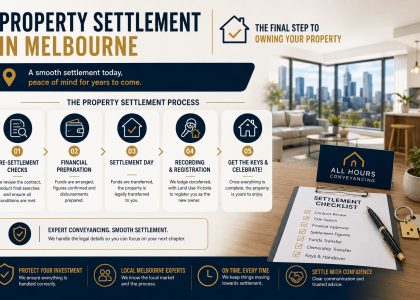
Settlement is the final stage of the sale. Your conveyancer will coordinate with all parties to finalise figures, transfer funds and complete the legal transfer of ownership.
- Confirm mortgage discharge and payout figures
- Finalise council, water and Owners Corporation adjustments
- Coordinate settlement with the buyer’s representative
- Confirm sale proceeds are distributed correctly
- Notify the agent once keys can be released
Frequently Asked Questions
Do I need a conveyancer to sell property in Melbourne?
While it is not legally mandatory, engaging a conveyancer is strongly recommended. A conveyancer prepares legal documents, manages compliance requirements and coordinates settlement.
What is a Section 32 Vendor Statement?
A Section 32 Vendor Statement is a legally required disclosure document that provides buyers with important information about the property before they sign a Contract of Sale.
When should I contact a conveyancer?
Ideally, contact a conveyancer before your property is listed for sale. Early preparation helps ensure your documents are ready when a buyer is found.
How long does settlement take in Victoria?
Most residential settlements occur between 30 and 90 days after the contract is signed, depending on the agreed terms.
Can I sell a property with an existing mortgage?
Yes. Your conveyancer will work with your lender to arrange mortgage discharge as part of the settlement process.
What happens if information in the Section 32 is incorrect?
In some circumstances, buyers may have rights to rescind the contract or pursue legal remedies. Accurate preparation is essential.
Need Help Selling Property in Melbourne?
Contact All Hours Conveyancing for professional conveyancing services across Melbourne and Victoria.
Request a Conveyancing Quote
Suggested SEO title: The Conveyancer’s Checklist for Selling Property in Melbourne | All Hours Conveyancing
Suggested meta description: Selling property in Melbourne? Follow this conveyancer’s checklist covering Section 32, contracts, settlement, legal obligations and common seller mistakes in Victoria.